


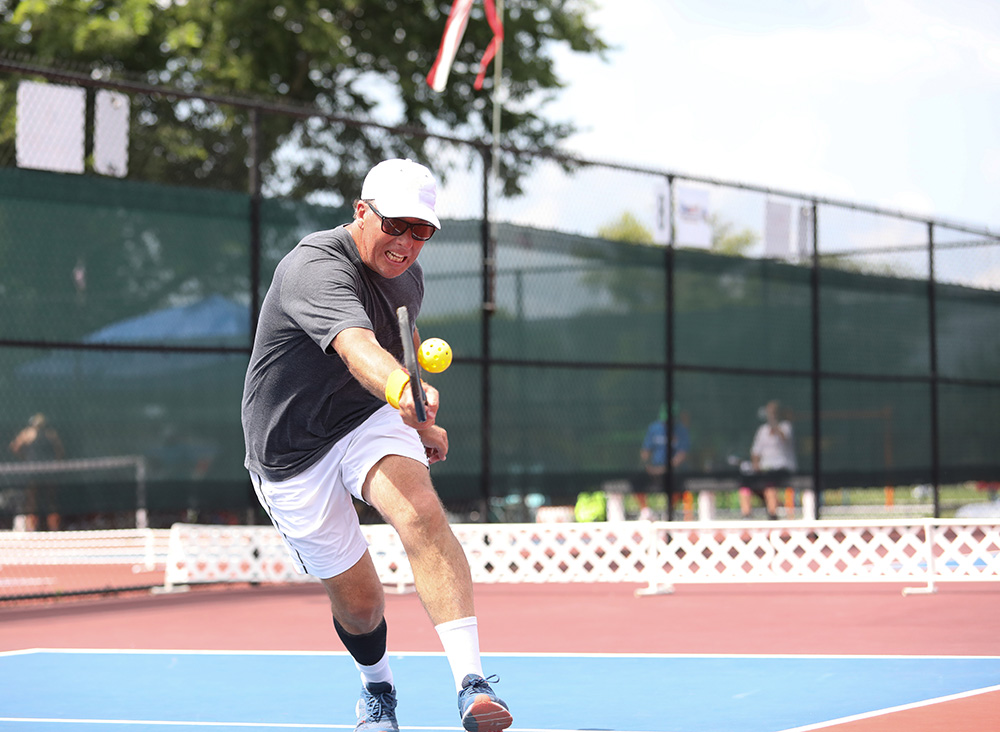
Why Pickleball Could Be the Best Exercise for Healthy Aging and Longevity
Why Pickleball Could Be the Best Exercise for Healthy Aging and Longevity
If someone asked for the single best exercise to help them stay healthy as they get older, many people would probably think of running, swimming, or cycling. While those are all excellent forms of exercise, there’s another activity that’s quietly becoming one of the best ways to stay fit well into your later years: pickleball.
Over the last few years, pickleball has exploded in popularity, especially among adults over 50. It’s easy to learn, enjoyable to play, and provides an impressive combination of physical, mental, and social benefits. Best of all, it doesn’t place the same strain on the body as many other sports.
If your goal is to stay active, independent, and healthy for as long as possible, pickleball deserves a place at the top of your list.
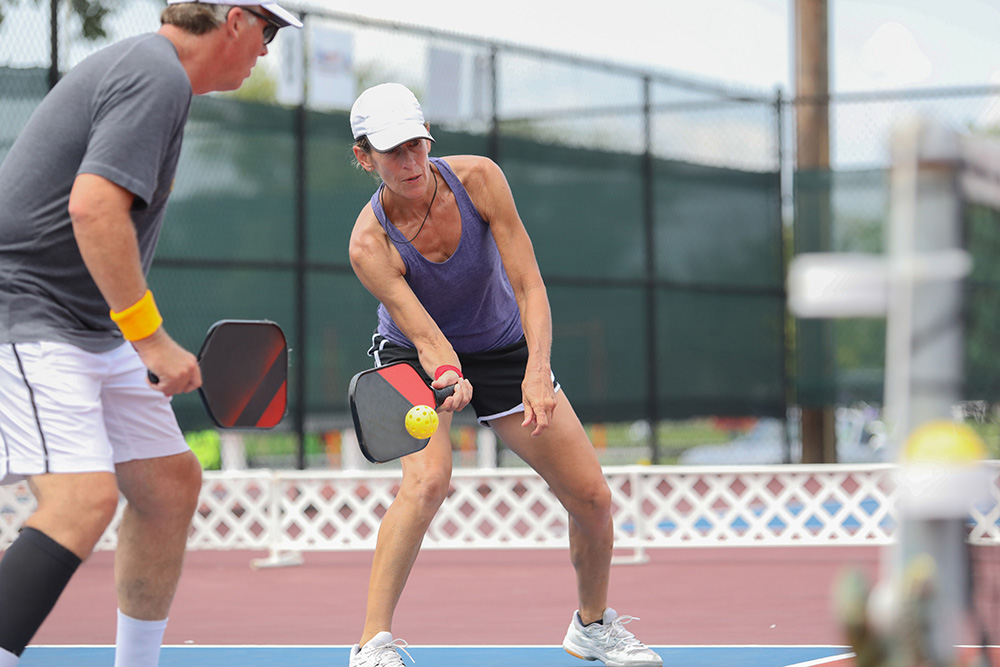
It’s Exercise That Doesn’t Feel Like Exercise
One of the biggest reasons people stop exercising is simple. They get bored.
Hours on a treadmill or repetitive gym sessions can become difficult to stick with, even when we know they’re good for us. Pickleball is different because you’re focused on the game rather than the workout.
You’re laughing with friends, chasing down shots, celebrating great rallies, and before you know it, you’ve been moving for an hour or more without constantly checking the clock.
That consistency is one of the biggest reasons pickleball can have such a positive impact on long-term health.
Gentle on the Joints, Great for the Heart
As we get older, protecting our joints becomes increasingly important. High impact activities can become uncomfortable, particularly for people with knee, hip, or ankle problems.
The beauty of pickleball is that it offers an excellent cardiovascular workout without demanding long sprints or constant pounding on hard surfaces.
Because the court is smaller than a tennis court, players still move frequently, but over shorter distances. That means you can raise your heart rate, improve your endurance, and burn calories while placing less stress on your body.
For many older adults, it’s the perfect balance between staying active and staying comfortable.
Better Balance, Better Mobility
Maintaining balance becomes increasingly important with age. Falls remain one of the leading causes of injury among older adults, making exercises that improve stability incredibly valuable.
Every pickleball game naturally develops skills that help in everyday life.
You’ll find yourself:
- Moving side to side
- Changing direction quickly
- Reaching for shots
- Squatting and bending
- Recovering your balance after every rally
Over time, these movements help strengthen the muscles that support stability and improve coordination, making daily activities feel easier and more confident.
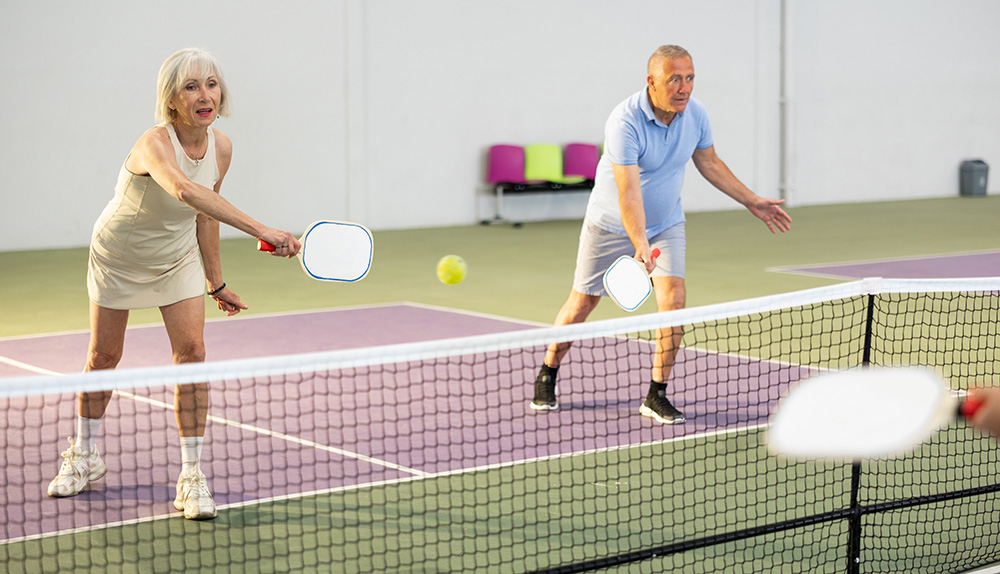
Keeping Your Brain Active
Pickleball isn’t just physical. Every point requires you to think.
Where should you place the next shot? Should you move forward or stay back? Is your opponent expecting a crosscourt return?
These constant decisions challenge the brain while physical activity increases blood flow throughout the body, including to the brain itself.
It’s a combination that many health experts believe plays an important role in maintaining cognitive health as we age.
One of the Biggest Benefits Is Friendship
There’s another reason pickleball stands out, and it has nothing to do with fitness.
It brings people together.
Whether you’re joining a local club, meeting neighbours for a weekly game, or travelling to tournaments, pickleball creates opportunities to build genuine friendships.
Social connection is increasingly recognised as one of the key ingredients for healthy aging. Spending time with others can reduce stress, improve mood, and even contribute to better long-term health outcomes.
For many players, the friendships become just as valuable as the exercise itself.
Suitable for Almost Anyone
Another reason pickleball has become so popular is its accessibility.
You don’t need years of sporting experience to enjoy it. Most beginners can learn the basic rules in a single session, and from there it’s simply about having fun while gradually improving.
The game can be played casually with friends or at a highly competitive level, making it suitable for people of all fitness levels.
Many players continue enjoying pickleball well into their seventies and eighties, proving that staying active doesn’t have to become harder with age.
A Long-Term Investment in Your Health
Longevity isn’t about finding one miracle exercise. It’s about choosing activities you genuinely enjoy and can continue doing for years.
Pickleball ticks almost every box.
It supports heart health, improves balance and coordination, strengthens muscles, keeps the mind engaged, encourages regular movement, and builds meaningful social connections.
Perhaps most importantly, people actually look forward to playing it.
That enjoyment makes consistency far easier than forcing yourself through workouts you don’t enjoy.
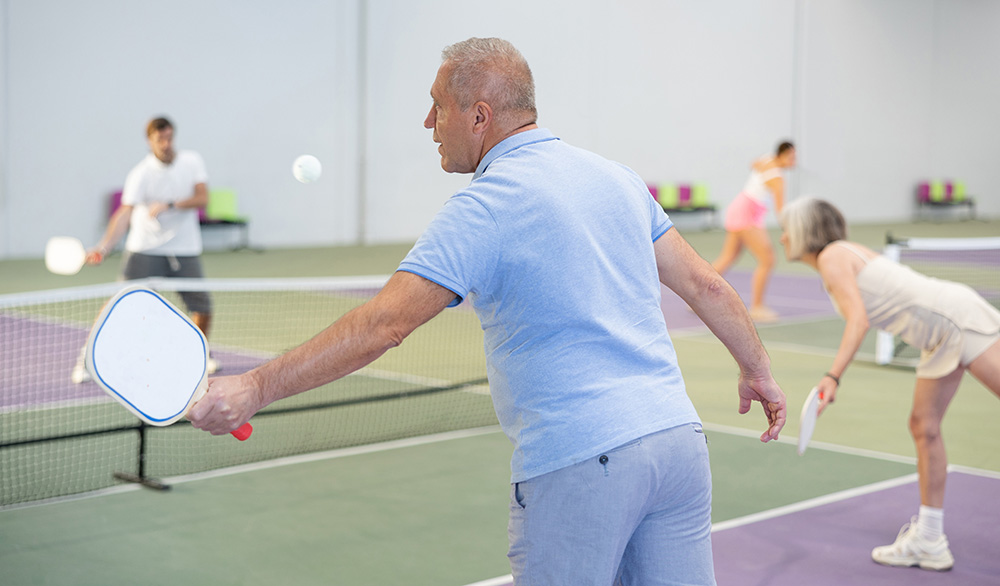
Final Thoughts
If you’re looking for an activity that supports healthy aging while still being genuinely fun, pickleball is hard to beat.
It’s low impact, easy to learn, mentally stimulating, and incredibly social. Whether you’re picking up a paddle for the first time or returning to sport after years away, every game is an investment in your health.
Living a longer, healthier life isn’t just about exercising more. It’s about finding movement that becomes part of your lifestyle.
For millions of older adults around the world, pickleball is doing exactly that.

